

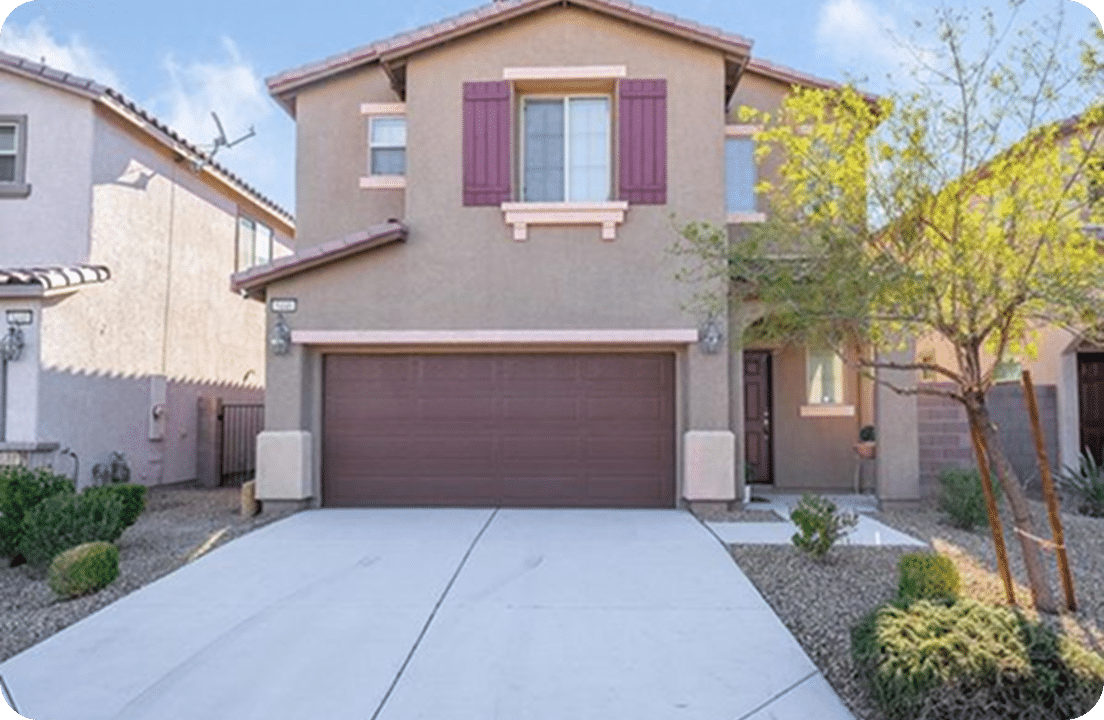
A hoarder house is both a real estate problem and a personal one, which makes it heavier than a normal sale, and it requires a careful, compassionate, and practical approach.
Most agents and ordinary buyers will not go near these homes. Cash buyers who handle the cleanout are the usual answer.
I will cover two sides here, the human part and the logistics, so you can have some pointers on how to move without making it harder than it already is.
Start with the person, not the pile
If you’re trying to sell a hoarder’s house, you might be helping a family member who has a hoarding problem.
Their attachment to their things can be a real issue. Push too hard, and you can wreck the relationship and potentially the sale at the same time.
It tends to go better when you accept that parts of this will be slow and emotional. Patience is important and can reduce conflict.
Why agents and buyers steer clear of hoarder houses
Real estate agents and home buyers avoid hoarding homes for obvious reasons. They are not complicated.
- You cannot show the house in that state, and you certainly cannot photograph it. Well, you can, but expect a substantially lower price point.
- The clutter buries the real condition of the floors, walls, and systems, so it’s harder to know what you are buying.
- There may be pests, water damage, or biohazards underneath all of it.
- A financed buyer’s lender will not approve a loan on a home that fails basic health and safety standards.
The conventional route to selling a hoarding house asks you to empty the entire house first, on your own dime and your own back, before you can even list it.
For a lot of families, that is exactly where everything stops.
What hoarder house cleanup actually costs
Clearing out a hoarder’s house is a real expense.
Most cleanups land between $3,000 and $10,000 for a moderate case. Extreme ones hit $25,000 or more.
Severe jobs often get priced around $1,000 a day, and the work can stretch across many days.
| Cleanup level | What it involves | Cost range |
|---|---|---|
| Moderate clutter | Sorting, hauling, basic cleaning | $3,000 to $10,000 |
| Heavy hoard | Multiple crews, multiple days | $10,000 to $25,000 |
Waste disposal may be billed on top, sometimes $2 to $20 a pound or a few hundred dollars per large bin.
On an extreme hoard, disposal alone can reach the thousands. The cleanout, not the sale, is the part that stops people from selling.
Biohazard and safety considerations
A hoarder’s house can be genuinely dangerous to walk into and clear.
You are often dealing with:
- Mold from long-term moisture
- Rodents and insects
- Animal or human waste
- Exits blocked by stacked belongings
Some of that calls for licensed biohazard professionals and regulated disposal, not a Saturday and a rented bin.
Do not send family members into a contaminated home without protection. The health risk is real, and on top of that, dumping biohazard material has to be done correctly and legally.
When you are unsure, get a professional to look before anyone starts hauling.
Your two real options for selling
Boiled down, there are two paths.
| Option | Who cleans it out | Upfront cost | Timeline |
|---|---|---|---|
| Clean out, then list | You do or who you hire, before listing | $3,000 to $25,000+ | Weeks to months |
| Sell as-is to a cash buyer | The buyer handles it | $0 | 7 to 30 days |
Note: Selling as-is may result in a lower offer, but this can be offset by savings on cost and cleanup time.
Clean out the hoarder property and list traditionally
You pay for the full cleanout, fix whatever the clutter was hiding, then list it like a normal sale. The price is money up front and additional time.
Sell a hoarder home as-is to a cash investor
A cash investor takes the hoarder property exactly as it is. You will not get full retail, since the buyer is absorbing the cleanup and the unknowns underneath.
A buyer who handles these situations, like Neiman Buys Homes, takes the hoarder home as-is and manages the cleanout, so you are not forced to sort through every box before you can sell.
Before you sell, you take what you want and leave the rest for disposal.
A quick word on disclosure
Hoarder home or not, the usual disclosure rules still apply before you sell it.
If the clutter is covering up known material defects, such as mold, water damage, or pest infestations, you have to disclose what you know about them, even when selling as-is.
Rules vary by state, so confirm what yours requires.
What to do next
A practical order to work in:
- If family is involved, start with the hoarder, not the property. Bring in support, such as other friends, family, and professionals, and agree on what to keep. Give them some time to process.
- Run a safety check for mold, pests, biohazards, and other problems before anyone goes in to clear it out.
- Get one or two cleanout quotes so you know what a full clearout really costs. Decide who should carry that cost and effort: you or a buyer.
- If you sell as-is, grab your keepsakes first, then leave the rest.
- Confirm your state’s rules about how to disclose, and disclose any known defects the clutter was hiding.
- Get a cash offer that includes the cleanout, so you can hold it against the do-it-yourself route.
FAQ
1. Can you sell a hoarder house without cleaning it out? Yes. You can sell a hoarder house as-is to a cash buyer who handles the full cleanout. You take what you want to keep and leave the rest. Traditional sales usually require you to clear and clean the home first, which is the step most people get stuck on.
2. How much does it cost to clean out a hoarder house? Most cleanups run $3,000 to $10,000 for moderate cases and up to $25,000 or more for extreme hoards. Biohazard remediation adds roughly $1,500 to $5,000, and waste disposal is often billed separately.
3. Will a realtor list a hoarder house? Most will not list a heavily hoarded home in its current state, because it cannot be shown or photographed without substantially lowering the price point, and the clutter hides the home’s true condition. These properties usually sell to cash buyers or investors instead.
4. Do I have to disclose that it was a hoarder house? You have to disclose known material defects that the clutter was hiding, such as mold, water damage, or pest infestations. Selling as-is does not remove that duty. Cash buyers expect issues in a hoarder’s house. Rules vary by state.
5. Are hoarder properties dangerous to clean? They can be. Common hazards include mold, rodent and insect infestations, animal or human waste, blocked exits, and structural strain. Some of this requires licensed biohazard professionals rather than untrained family members.
6. How do I sell my parent’s hoarder house? Start with your parent, not the house. Agree on what to keep, and bring in support if hoarding is tied to a mental health condition. You may need a professional to offer solutions. Then decide whether to clean it out and list, or sell as-is to a cash buyer who manages the cleanout for you.
7. How fast can I sell a hoarder house for cash? A cash sale usually closes in 7 to 30 days, since there is no lender, no showings, and no cleanout required from you before closing. That speed is a major reason families choose the cash route for these properties.
8. Does homeowners’ insurance cover hoarding cleanup? Sometimes. In certain cases, homeowners’ insurance may cover part of the cleanup cost, particularly when a covered event like water damage is involved. Check your specific policy, since coverage is not guaranteed.