

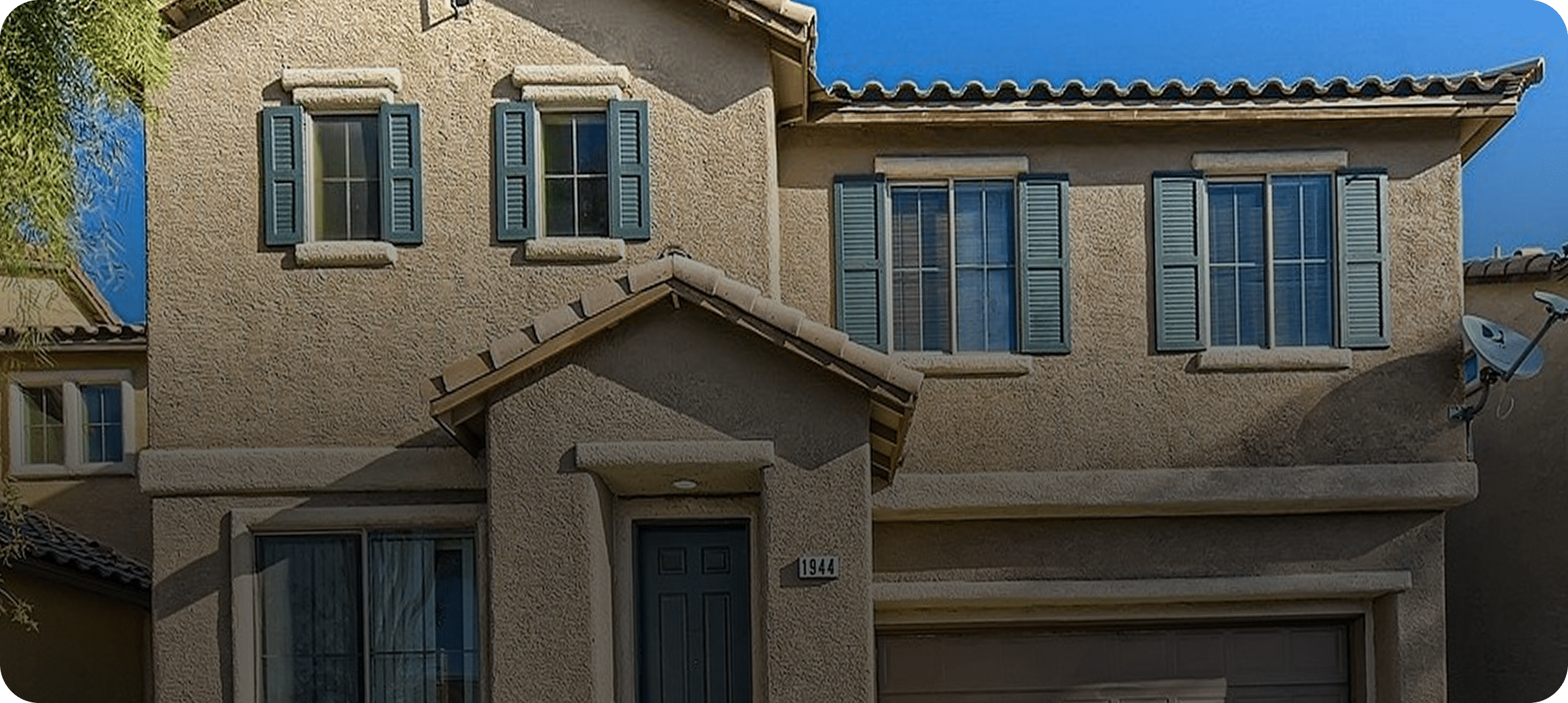
Most homeowners assume the same logic applies to houses as it does to cars: fix it up, get a higher price. In reality, that math breaks down fast. A roof replacement might cost 12,000to12,000to25,000, but it won’t necessarily add that much value to your sale price. Add a kitchen remodel, foundation work, or HVAC replacement, and you’re looking at months of disruption, contractor headaches, and carrying costs that eat away at any gain.
The question isn’t whether your house needs repairs. The question is whether repairing makes financial sense before you sell. This post walks you through that decision.
Why repair decisions matter more than you think
Most sellers focus on the wrong number. They think about list price. An agent says, “If you fix the kitchen, you could list for $50,000 more.” That sounds good until you do the math.
Start with your expected sale price. Now subtract repair costs. Subtract realtor commissions (usually 5-6% of sale price). Subtract closing costs, appraisal fees, title work. Subtract carrying costs: your mortgage payment, property taxes, utilities, and insurance while the property sits in repair mode and then on the market.
What’s left is your net proceeds. That’s the number that matters.
Many homeowners discover their net proceeds are actually lower after repairs than they would have been selling as-is. The repair costs, combined with months of carrying expenses and the time value of money, wipe out the benefit of a higher list price.
Common repairs homeowners consider
Not all repairs are equal, but certain ones come up repeatedly.
Kitchen remodels range from 50,000foramid−rangeupdateto50,000foramid−rangeupdateto100,000+ for a high-end renovation. Buyers notice kitchens. They also notice when a kitchen is dated. But unless you’re in a premium market, a full renovation rarely returns dollar-for-dollar.
Bathroom updates are similar. A single bathroom refresh costs 10,000to10,000to30,000. Multiple bathrooms multiply that fast.
Roof replacement typically runs 12,000to12,000to25,000 depending on roof size and material. A roof is necessary. Buyers require it. But it doesn’t add emotional value the way a new kitchen does.
HVAC replacement costs 5,000to5,000to15,000. Like a roof, it’s essential but invisible.
Flooring, paint, and cosmetic updates are cheaper individually—3,000to3,000to15,000 depending on scope—but they stack up when your house needs several.
Structural or foundation issues are different. These are deal-blockers. Banks won’t finance homes with foundation problems. But if they’re serious enough to require repair, the cost can be 10,000to10,000to50,000 or more, and the timeline stretches long.
When fixing up may be worth it
Repair makes sense in specific situations. The key is whether the return exceeds the cost and timeline.
Minor cosmetic fixes with low cost and high visual impact make sense. Fresh paint on the exterior (3,000to3,000to8,000) and in key rooms. New flooring in the entry and kitchen (8,000to8,000to15,000 for quality). These are relatively fast—two to four weeks—and buyers respond to them.
Safety and code issues that block financing or appraisals must be fixed. An inspector finds a missing handrail, outdated electrical panel, or damaged foundation. These aren’t optional. A home with unresolved code violations won’t appraise, and most buyers need financing. Fix these before listing.
Repairs that clearly improve showing quality and buyer confidence are worth considering. A working water heater. A functional HVAC system. A roof without obvious damage. These allow your house to be seen, inspected, and financed without triggering deal-breakers.
Use a simple rule: if the expected return is likely to exceed the cost and the timeline fits your selling urgency, repair may make sense. If the timeline is uncertain, the cost is high, or the return is questionable, skip it.
When repairs usually aren’t worth it
Most major repairs fall into this category.
A full roof replacement takes weeks and costs $12,000+. The buyer may not appreciate it at all—it’s assumed to be there. A new roof doesn’t compete with kitchens and bathrooms in buyer perception.
A foundation repair costs serious money and takes months. If the foundation is marginal but not failing, some buyers will walk away. Others will demand a credit at closing instead of accepting the repair. You do the work and still don’t get full value.
A major kitchen or bathroom remodel takes three to six months and costs tens of thousands. Buyers want a nice kitchen, but they want their kitchen. Your $80,000 renovation might not align with what they would have chosen. You won’t get dollar-for-dollar return.
Multiple simultaneous repairs compound the problem. You can’t show the house while work is happening. The timeline stretches. Carrying costs accumulate. Surprises happen mid-project—asbestos, hidden water damage, wiring problems. Contractors slip schedules.
Situations where you need speed, certainty, or simplicity make repairs impractical. You’re facing foreclosure, divorce, relocation, or a job transfer. You need to sell in 30 days, not six months. Repairs are the opposite of what you need.
The true cost of repairs
Most homeowners underestimate repair costs. They get a quote and think that’s the price. It’s not.
Direct costs are the contractor invoice. For a roof, 15,000.ForHVAC,15,000.ForHVAC,10,000. For kitchen remodel, $60,000.
Labor typically adds 30-50% on top. Permits add hundreds to thousands. Inspections cost hundreds. Unexpected discoveries—hidden rot, asbestos, outdated wiring—can add 5,000to5,000to20,000 to any major project.
Timeline slippage is real. A contractor says six weeks. It takes ten. Workers get sick. Materials are delayed. Inspectors find code violations requiring rework. Every extra week costs you mortgage, taxes, utilities, insurance—often 1,500to1,500to3,000 per month depending on your area.
If you’re not living in the house during repairs, you’re paying carrying costs on an unoccupied property. Water bills, electric, insurance. Sometimes significantly higher than occupied-home rates.
If you’re listing after repairs, you’re carrying costs during the showing and sale period too. Average home sale timeline is 30-60 days once listed, but that’s after you finish repairs.
The visible repair estimate is usually 40-60% of the actual total cost when you factor in timeline, carrying costs, and contingencies. A contractor quote for 20,000becomes20,000becomes30,000-$35,000 by closing.
Repair vs. sell as-is: side-by-side comparison
Three main paths exist for sellers with repair needs.
Repair first, then list traditionally
Pros: Potentially higher list price. Wider buyer pool—only move-ready buyers will see it anyway. Familiar process.
Cons: Significant upfront cost. Months of timeline. Risk of cost overruns and surprises. No guarantee buyers will value repairs as much as you do. Carrying costs while repairs happen and home sits on market. Realtor commissions on final sale.
Net proceeds: List price minus all repair costs, carrying costs, and commissions.
Best for: Sellers with time, cash on hand, and homes that are in decent condition otherwise.
Sell as-is to a cash buyer
Pros: Fast closing, often 7-14 days. No repairs required. No contractor management. No surprises. No carrying costs beyond a few weeks. Buyer assumes all repair risk and cost.
Cons: Offer may be lower than retail list price. Less time to compare multiple offers. Less traditional marketing exposure.
Net proceeds: Cash offer, which factors in the buyer’s repair costs. Usually lower than list price, but no repair costs or carrying costs deducted.
Best for: Sellers prioritizing speed and certainty over maximizing headline price.
List with an agent (traditional sale)
Pros: Maximum market exposure. Potential for competitive offers. Standard financing available. Wider buyer pool.
Cons: Requires home to be move-ready or near it. Inspections and appraisals may reveal needed repairs. Timeline is typically 30-90 days on market. Carrying costs for full timeline. Realtor commissions, closing costs, inspections.
Net proceeds: List price minus repairs needed to appraise/close, commissions, closing costs, carrying costs.
Best for: Move-ready homes with strong market appeal.
The comparison that matters is net proceeds, not list price. A home listed at 350,000thatrequires350,000thatrequires50,000 in repairs and takes four months to sell generates less net proceeds than an as-is cash sale at $310,000 that closes in 10 days.
How to calculate your actual net proceeds
Start with your expected sale price. Be realistic. Check comparable sales in your area.
Subtract repair costs. If you’re considering repairs, get three contractor quotes and use the middle estimate. Add 20% for contingencies and surprises.
Subtract commissions. If selling traditionally, that’s 5-6% of sale price. For example, 350,000saleminus6350,000saleminus621,000 in commissions.
Subtract closing costs. Title work, appraisal, inspections, doc prep, HOA transfers. These typically run 3,000to3,000to8,000.
Subtract carrying costs. Calculate weeks until closing, then multiply weekly carrying cost by weeks. Carrying cost includes mortgage payment, property taxes, utilities, insurance, HOA fees. Add 10-15% for unexpected costs.
What remains is your net proceeds.
Now compare that to a cash offer for your home in as-is condition. The cash buyer has already priced in repairs and risk. Their offer is lower than list price, but it comes with no repair costs, no commissions, no carrying costs.
Many sellers find the net proceeds are similar or higher with a cash sale.
Why cash buyers appeal to sellers with repair needs
A home needing major work has limited appeal in the traditional market. Most buyer financing requires the home to appraise at a certain standard. Inspections uncover repair needs. Offers drop during negotiation, or buyers walk away.
Cash buyers specialize in homes like this. They buy as-is because they plan to repair or resell. They’re not looking for a move-in-ready home. They’re looking for potential.
No repairs required before closing. The buyer doesn’t care if the roof leaks or the foundation is cracked. They’re pricing that in. You don’t have to manage contractors or timelines.
Closing happens fast. Typically 7-14 days. No waiting for financing approval, inspections, appraisals, or contingencies. Money transfers, deed transfers, you’re done.
Fewer showings and less disruption. The buyer doesn’t need to view the home multiple times or bring their inspector. The sale is straightforward.
No realtor commissions. Some sellers work with a realtor who connects them to cash buyers. That realtor earns a commission. But the buyer itself doesn’t charge commission. You’re not paying two-sided commissions like in a traditional sale.
Good fit for specific situations. Inherited homes you don’t want to manage. Properties damaged by fire, water, or neglect. Homes you need to sell quickly due to relocation, financial pressure, or life changes. Rental properties with long deferred maintenance.
Signs you should get a cash offer
Consider getting a cash offer if any of these apply:
The home has major repair needs. Roof, foundation, HVAC, multiple systems. You’re uncertain whether repairs will pay off.
You’re facing foreclosure, divorce, probate, relocation, or sudden financial pressure. Time matters more than maximizing sale price.
You don’t want to manage contractors and timelines. You want out quickly and simply.
You need to sell within 30-60 days. Repairs take months. Traditional sales take months. Cash sales take weeks.
You want to avoid uncertainty. No inspections killing the deal. No appraisals triggering renegotiation. No buyer financing falling through.
A cash offer gives you a concrete baseline. You know exactly what the buyer will pay and when the sale closes. From there, you can decide: is this better than repairing and listing?
How NeimanBuysHomes can help
NeimanBuysHomes buys homes for cash, as-is, no repairs needed.
Our process is straightforward. We evaluate your home based on condition, location, and local market. We make a fair cash offer. You decide whether to accept. If you do, we close fast—typically within 7-14 days.
You avoid repairs. You avoid contractor delays and surprises. You avoid realtor commissions. You avoid months of carrying costs while the home sits on the market.
If you’re considering whether to repair or sell as-is, a cash offer is a useful data point. It shows you what the as-is option is worth. From there, you can compare net proceeds and decide what makes sense for your situation.
Frequently asked questions
Should I fix my house before selling it?
Only if the return is likely to exceed the cost and timeline. Get repair quotes, estimate carrying costs, and compare your net proceeds from repairing and listing versus a cash offer for as-is sale. If net proceeds are similar, the simplicity and speed of a cash sale may tip the decision.
Can I sell my house with major repairs needed?
Yes. Cash buyers purchase homes with major repair needs all the time. Banks and traditional buyers won’t, which is why repairs often become necessary before a traditional sale. But cash buyers specialize in this.
Do I need a realtor to sell a house that needs repairs?
No. A realtor can help you connect with cash buyers, and some do earn a commission on those sales. But you can also reach out to cash buyers directly. Whether to use a realtor is up to you.
Will I get less if I sell as-is?
Possibly less than a retail listing price, yes. But your net proceeds—after accounting for repair costs, carrying costs, commissions, and closing costs—may be similar or better. The headline price is misleading.
How long does it take to repair and sell a house?
Major repairs typically take 8 to 16 weeks depending on scope, contractor availability, and unexpected problems. Add another 4 to 12 weeks for listing, showing, and closing with a traditional agent. Total timeline is often 4 to 6 months or longer. A cash sale closes in 1 to 3 weeks.
What counts as a major repair?
Roof, HVAC, foundation, structural issues, full kitchen or bathroom remodels, electrical panel replacement, plumbing overhauls. Any repair costing $10,000+ or taking more than a few weeks is typically considered major.
Is it worth replacing a roof before selling?
Usually no, unless the roof is actively failing and will prevent financing or appraisal. A new roof doesn’t add emotional value. Buyers expect a functional roof. A cash buyer prices roof replacement into their offer. Repairing first doesn’t increase your proceeds enough to justify the cost and timeline.
Can I sell a house in probate with repairs needed?
Yes. Cash buyers work with probate sales regularly. In fact, probate timelines often make cash sales preferable—probate is already slow. Adding a four-month repair project makes the process even longer. A cash sale lets the estate close and distribute proceeds faster.
What to do next
If you’re sitting on a house that needs repairs, the decision is straightforward: compare your options.
Get repair estimates from three contractors. Calculate true carrying costs for your property. Estimate commissions and closing costs. Do the math on net proceeds if you repair and list.
Request a cash offer for your home as-is. Understand what the buyer is offering and why. Compare that to your repair-and-list scenario.
The option that gives you the highest net proceeds plus the timeline you need is your answer.
For a cash offer on your home in the local area, reach out to NeimanBuysHomes. We evaluate your situation and make a fair offer with no obligation. From there, you have concrete data to make your decision.