

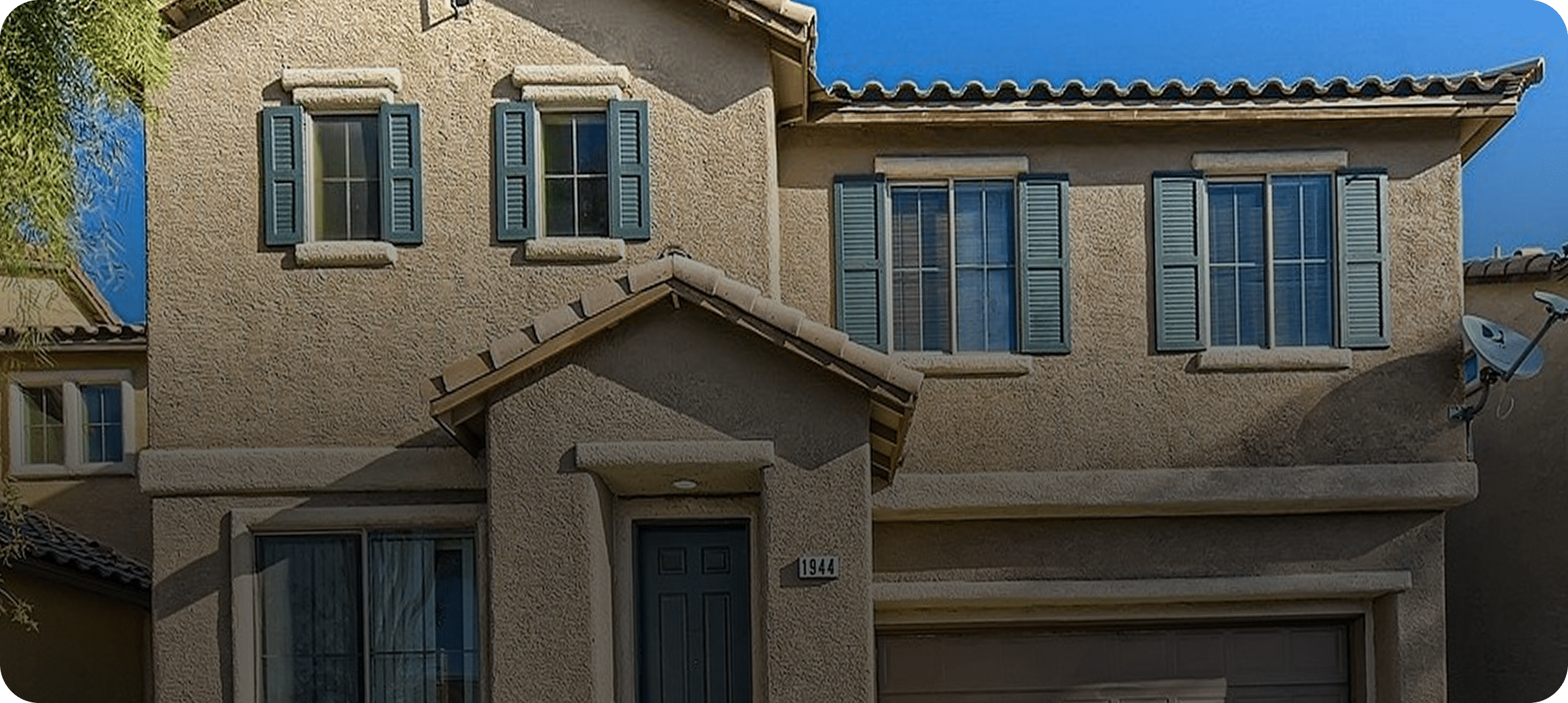
If you are selling a house with solar panels in Las Vegas, one question a buyer’s agent will ask is whether the panels are owned or leased.
With all the sun here, solar is common across the valley, and owned panels can add real value. Leased panels are a different story, and they trip up more sales than most sellers expect.
This guide breaks down how owned, leased, and financed solar each affect your sale, why leased solar panels can complicate deals, your options for getting a leased system off your plate, and how a cash sale can make the selling process easier.
Owned, leased, or financed: how each affects your sale
The way your solar panels were purchased can make a big difference when you sell your home.
| Solar type | Effect on your sale | Buyer impact |
|---|---|---|
| Owned outright | Generally adds value, transfers with the home | No payment to assume, simplest path |
| Leased or PPA | Can complicate or stall a sale | Buyer must qualify to assume the lease |
| Financed (loan) | A lien may attach to the home or panels | Loan must be paid off or addressed at closing |
Owned panels are the clean case. Leased panels and a power purchase agreement, or PPA, mean the buyer has to take over a contract. Financed panels mean there may be a loan and even a UCC filing tied to the home.
Each path has its own friction, and the leased and financed cases are where deals slow down.
Why owned solar panels usually help
If you own your panels outright, solar is an asset, not an obstacle.
Owned panels transfer with the home like any other fixture. There is no ongoing payment for the buyer to assume and no contract to qualify for.
Buyers tend to value lower electric bills and energy savings, which matter in a market like Las Vegas, where AC bills can run high during the summer.
Appraisers and buyers do not always credit owned solar at its full installed cost, so do not expect to recoup every dollar you spent, but owned panels are a net positive that rarely complicates a sale.
Have your documentation ready: the install paperwork, any warranty, and recent electric bills that show the savings.
Why leased panels complicate a residential real estate sale
Leased panels are where solar turns from a feature into a problem. The issue is that the lease does not just transfer automatically. The buyer has to qualify for it.
Solar leases and PPAs usually require the new homeowner to meet a credit threshold to assume the contract. Buyers with mid-600s credit scores often will not qualify, no matter how much they want the home.
On top of that, when a buyer does assume the lease, their mortgage lender will typically count the solar payment in their debt-to-income ratio, which can shrink how much home they qualify for or sink the loan entirely.
The result is that some buyers walk. They see a monthly solar obligation on top of the mortgage; they worry about a long-term contract attached to someone else’s panels; and they move on to a listing without the complication.
A leased system narrows your buyer pool to those who both want the home and can qualify for and accept the lease.
Your options with a leased system
If your panels are leased, you have a few ways to keep the sale moving. None are automatic, so start early.
The most common path is the lease transfer. The buyer applies to assume the lease, and if they qualify on credit, the solar company moves the contract to them.
This works when the buyer is willing and creditworthy, but it requires coordination between you, the real estate agents, the solar company, and the buyer’s lender.
The second path is a buyout or prepayment. Most leases and PPAs let you prepay the remaining contract at a discounted figure, sometimes called the net present value.
As the seller, you can use your sale proceeds to pay it off so the buyer inherits the panels free and clear. That removes the qualification hurdle and often makes the home far easier to sell, though it costs you money at closing.
The third path is selling to a cash buyer. Because there is no buyer’s lender involved, the sale may be simpler, even if the lease still needs to be addressed with the solar company. This option is covered below.
Financed panels and UCC filings
Financed solar, where you take a loan to buy the panels, is its own situation. There is usually a balance to pay off, and the lender may have filed a UCC-1 fixture filing, which acts like a lien against the panels or the property.
That filing has to be addressed before a clean title can transfer. A title company will find it during escrow, and a financed buyer’s lender will want it cleared.
You can pay off the solar loan at closing from your proceeds and have the filing released, similar to paying off any other lien.
The key is to surface it early. A UCC filing discovered late in escrow is a classic reason a financed-solar sale stalls or falls apart.
How a cash sale handles solar
A direct cash sale sidesteps the parts of a solar sale that break financed deals.
A cash buyer is not getting a mortgage, so the buyer’s lender counting a solar payment in a debt-to-income ratio is not an issue.
A cash buyer who handles solar regularly can work through a lease assumption, a buyout at closing, or a financed payoff and UCC release as part of the transaction, and close in about 7 to 14 days.
For a seller stuck with a leased system that keeps scaring off financed buyers, or a financed system with a UCC filing complicating escrow, that is often the difference between a sale that closes and one that keeps falling through.
The trade is price. A cash offer comes in below a fully repaired retail sale. If your panels are owned and the home shows well, a traditional sale usually nets more.
Neiman Buys Homes buys Las Vegas homes with owned, leased, or financed solar as-is for cash. Compare a real cash number against what you would net from a listing, including what a lease buyout would cost you, before you decide.
Frequently asked questions
Can I sell my house in Las Vegas if I have leased solar panels?
Yes, but the buyer usually has to qualify to assume the lease, or you buy out the contract at closing. Leased panels narrow your buyer pool because some buyers will not qualify on credit or do not want the monthly obligation. Starting the transfer or buyout process early keeps the sale from stalling.
Do solar panels add value when selling a house in Las Vegas?
Owned panels generally add value, since buyers like lower electric bills, though appraisers may not credit the full installed cost. Leased panels often do not add value and can reduce your buyer pool because of the contract a buyer must assume. The benefit depends heavily on whether you own or lease.
What is the difference between owned and leased solar when selling?
Owned panels transfer with the home like any fixture, with no payment to assume. Leased panels require the buyer to qualify for and take over a contract, and the payment can affect their mortgage approval. Owned is the simpler, more valuable case. Leased adds friction and can shrink your buyer pool.
Can I buy out my solar lease before selling?
Usually yes. Most leases and PPAs allow a prepayment at a discounted figure, sometimes called the net present value. You can use your sale proceeds to pay it off. It costs money at closing, but it often makes the home much easier to sell.
Why do buyers walk away from homes with leased solar?
Because they have to qualify for and assume a contract, the monthly payment counts against their mortgage debt-to-income ratio, and many do not want an obligation tied to panels they did not choose. A buyer who cannot qualify, or simply does not want the complication, moves on to a listing without it.
What is a UCC filing on solar panels, and how does it affect my sale?
A UCC-1 fixture filing is recorded by a solar lender on financed panels and acts like a lien against the panels or property. It has to be cleared before a clean title transfers, usually by paying off the solar loan at closing. Found late in escrow, it is a common reason a financed solar sale stalls.
Will leased solar panels stop my home sale entirely?
Not always, but they can if no qualified buyer will assume the lease and you cannot or will not buy it out. In that situation, a cash buyer who can absorb the lease assumption or buyout is often the path that gets the home sold, since the deal does not depend on a financed buyer qualifying for the contract.
Do cash buyers take homes with solar panels in Las Vegas?
Many do, whether the panels are owned, leased, or financed, and they can handle the lease assumption, a buyout, or a financed payoff and UCC release as part of the deal. Because a cash buyer is not getting a mortgage, the solar payment does not threaten a loan approval the way it can with a financed buyer.
What to do next
- Confirm whether your panels are owned, leased, or financed, and pull the contract or loan documents.
- For owned panels, gather your install paperwork and warranty, as well as recent electric bills to show the savings.
- For leased panels, contact your solar company early about the transfer process and the buyout or prepayment figure.
- For financed panels, check whether a UCC filing exists and get your loan payoff amount so it can be cleared at closing.
- If the solar situation keeps scaring off financed buyers, get a cash offer and compare it against the net you would receive from a traditional listing.
- Decide on net proceeds and timeline, not the headline price.
Neiman Buys Homes is a real estate investor in Las Vegas, Nevada. If you are trying to sell your home, we buy solar homes and operate in multiple states, including Nevada, New Mexico, Arizona, and Florida.